
 EN
EN
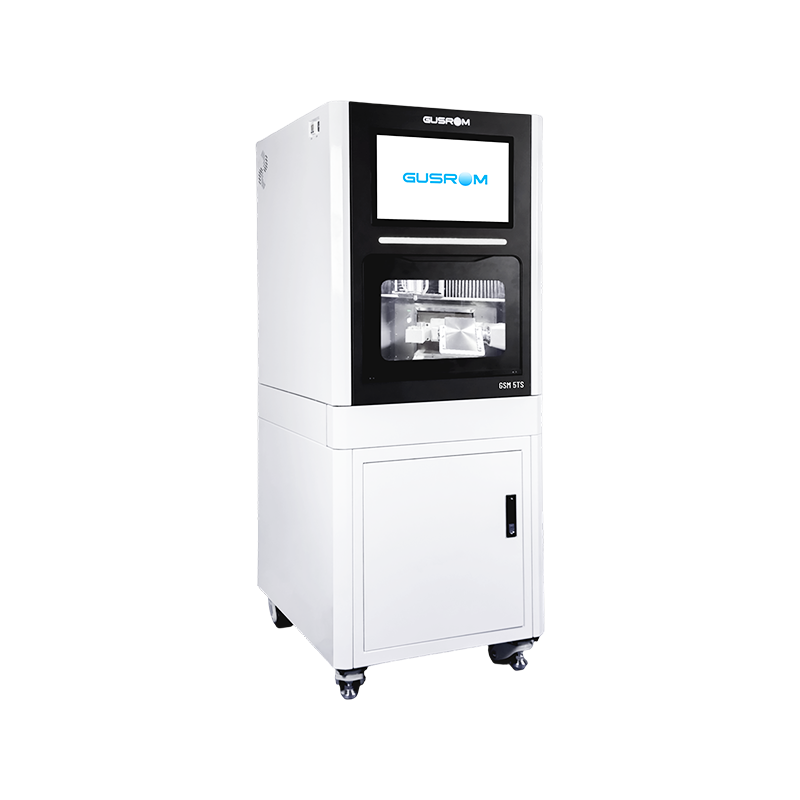
So if you're going to buy new dental lab equipment, you might be getting overwhelmed with choices. One of the first, major decisions will be between a 4-axis and a 5-axis miller machine. Both machines have unique benefits and excel at different kinds of work. Luckily, Gusrom has been helping dental labs choose the right equipment for years. If you understand the differences you'll be able to make an informed decision for your lab. Here, we'll talk about what to consider before you update and then we'll look at some key benefits of a 5-axis miller for dentistry.
What You Need to Consider Before Your Dental Lab Update?
Before you begin updating your dental lab, first think about what you want the new equipment to be able to do. While a 4-axis miller is perfect for basic jobs-it moves left and right, up and down, essentially in four dimensions-you might want more if you're producing more complex dental work. A 4-axis machine is ideal for the production of crown and bridge work, but if your lab does work with multiple facets, or complex curves and undercuts on prosthetic designs, a 5-axis machine might be more suitable. A 5-axis machine moves on five different planes, which allows for the creation of much more detailed and precise dental parts. It's helpful to have an idea of the types of parts you expect to be producing in the future and how often you'll need your machine to operate. Gusrom will be able to look at your specific needs and help you choose the most effective machine. Budget is an important consideration; while 5-axis machines can often be more expensive initially, the ability to perform a greater range of tasks on a single machine will save your lab time and money over the long run. You also need to think about the customer service and training you'll receive upon purchase; you want to know how to use your new machine to its full potential.
What Are the Major Benefits of a 5-Axis Miller for Dental Work?
A 5-axis miller has several advantages for dental labs. Most notably, it's capable of producing extremely intricate dental prosthetics. If a patient requires a specific type of crown or a unique custom prosthetic, a 5-axis can reach the required angles that a 4-axis machine would not be able to. The additional precision offered by a 5-axis machine translates directly to better-fitting prosthetics, which will ultimately make the patient happier. Another important benefit of a 5-axis machine is the increased speed of production it offers. Many 5-axis machines can complete a single dental prosthetic significantly faster than their 4-axis counterparts because they are capable of creating multiple sides of a tooth part without the operator having to reposition it. In a high-volume dental lab setting, shaving off even minutes from the time each product takes to produce can translate to significantly more output and higher productivity. They also produce high-quality work when working with complex dental materials such as titanium or zirconia-materials that are becoming increasingly popular in the dental industry. Although it can be tempting to stick with simpler machines, Gusrom can show you how investing in a 5-axis machine is a great move that will increase the quality of your dental parts and the efficiency of your dental lab.
Why the 5-axis is the Right Choice for Mid-Range Dental Labs?
Every dental lab needs tools that are up to the task, but a 5-axis machine offers an advantage over a 4-axis for most mid-range labs. Let's look at what these two machines do. Both a 4-axis and a 5-axis machine make dental parts such as crown and bridges. However, each works in a different number of dimensions. A 4-axis machine is able to move up and down, left and right and along with it's x- and y-axis. A 5-axis machine also has an x- and y-axis, but adds the x- and y-rotation, which can take the 5-axis machine and move all the way around the part to carve the desired form. This increased dimension makes a 5-axis machine perfect for complex shapes because it is able to carve in any direction at any angle. Take the placement of the abutment on a crown-this needs to be placed at a certain angle, and if it's not, the entire piece will not function as intended. Since a 5-axis can rotate along every dimension, it is ideal for carving precise shapes like these.
Speed is also a factor. While it costs more upfront for a 5-axis machine than for a 4-axis machine, a 5-axis can get more work done more quickly. Dental labs with a higher output, or a higher demand for quicker service from customers, find that a 5-axis saves them a considerable amount of time per job. The faster, and more precise nature of the 5-axis makes it an ideal machine for a lab with higher production needs.
Finally, over time, the cost of a 5-axis machine is likely less than a 4-axis because you won't need any additional tool holders. That extra dimension that the 5-axis offers will also save you money. As the demand for dental technology and better lab practices continues to rise, Gusrom can help ensure you're making the right choice with your new equipment to both serve your customers and your lab's efficiency.
Get More Efficiency out of Your Dental Lab with 4-Axis vs. 5-Axis Technology
In any dental lab, efficiency is key to success. Knowing the right uses for a 4-axis and 5-axis miller can significantly improve how smoothly your dental lab operates. First, you need to know what each type of machine is used for. A 4-axis miller is perfectly suitable for basic jobs, and it can carve simple parts much more efficiently and cheaply. If your dental lab is new and you are still producing relatively few parts or don't receive many orders from customers needing very complex parts, a 4-axis machine could be right for you. However, if your dental lab receives orders for detailed, high-quality parts regularly, a 5-axis machine will likely better suit your needs because it's capable of carving in more angles and more intricate shapes. Ideally, if your dental lab's order book often contains a good mix of the simple and complex jobs, it would be beneficial to own both a 4-axis and a 5-axis machine so that you can use the one most suited for the given order. Train your staff so they know how to effectively use both machines. Training can make the process of switching between machine types very smooth and efficient, allowing your dental lab to complete more jobs per day. It is also essential to keep both your 4-axis and your 5-axis machine running smoothly, and a preventative maintenance schedule can help ensure you minimize downtime. Combine the appropriate machine(s) for your lab, a well-trained staff, and routine maintenance, and your lab will achieve peak efficiency.
Where to Buy Reliable 4-Axis and 5-Axis Millers for Dental Labs?
Finding the right 4-axis and 5-axis miller for your dental lab is paramount to its success. When looking for reliable equipment, consider buying from reputable dental technology suppliers, such as Gusrom. They will offer a range of models with varying capabilities and assist you in choosing the best fit for your laboratory. It is also a good idea to visit dental trade shows and expos where you can physically examine the latest dental machines, talk to industry experts and see them in action. You'll find it much easier to make a decision after seeing the machinery in person and having a chance to ask questions. You can also do extensive research online by looking at manufacturers' Web sites. Here you will find detailed descriptions of machine specifications, pricing information, and often customer testimonials or reviews, all of which can help guide your choice. When making your purchase, make sure to consider warranty information and the level of customer support you will receive; a strong warranty from a company like Gusrom can provide you with peace of mind. If you purchase your 4-axis or 5-axis miller from a reliable, well-established dealer, you'll be investing in a valuable asset for your dental lab.
Table of Contents
- What You Need to Consider Before Your Dental Lab Update?
- What Are the Major Benefits of a 5-Axis Miller for Dental Work?
- Why the 5-axis is the Right Choice for Mid-Range Dental Labs?
- Get More Efficiency out of Your Dental Lab with 4-Axis vs. 5-Axis Technology
- Where to Buy Reliable 4-Axis and 5-Axis Millers for Dental Labs?